
I’m going to forgo the elephant in the room and get straight to the tiger on the bed. Not sure what I’m referring to? I’m talking about this defining image of the floods in Assam this year.
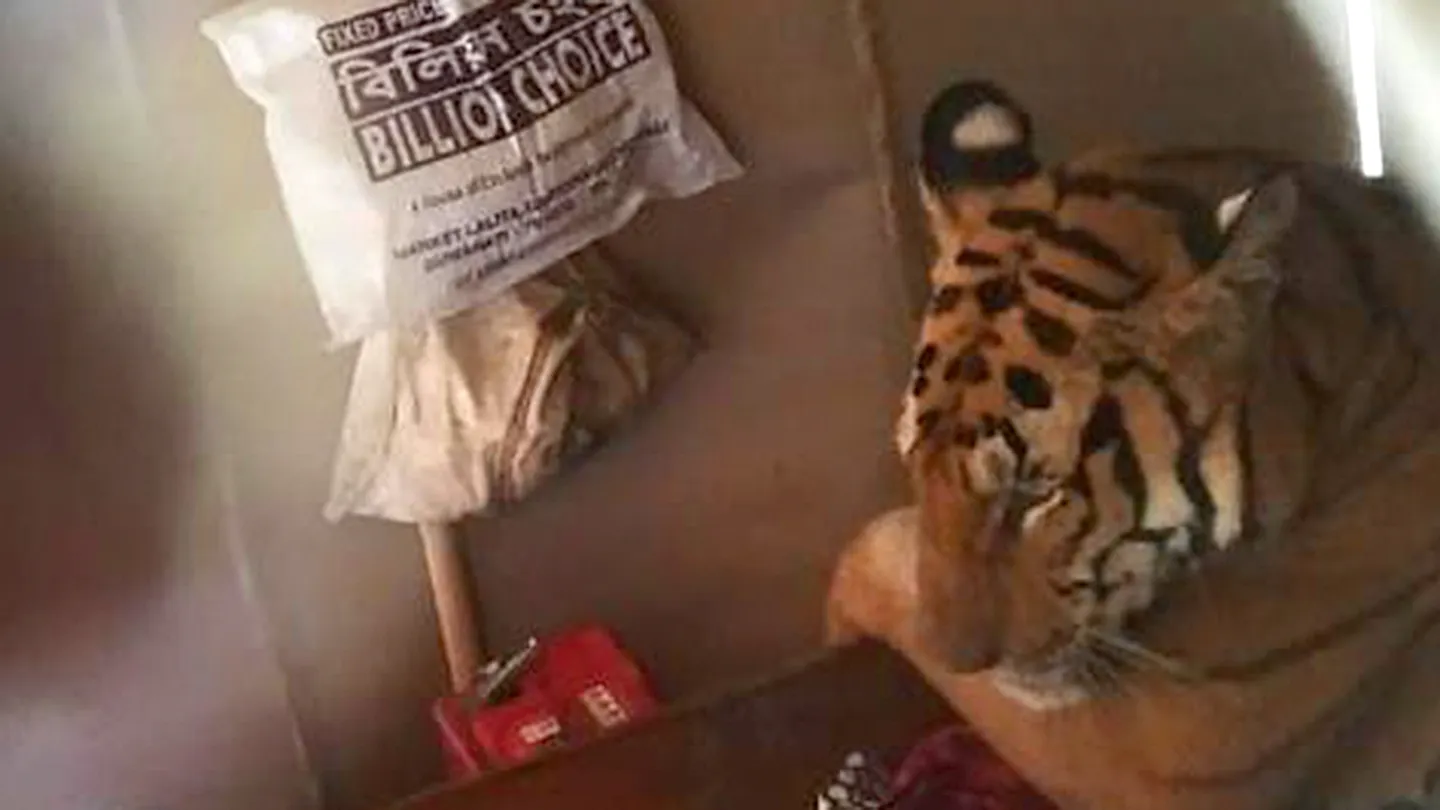
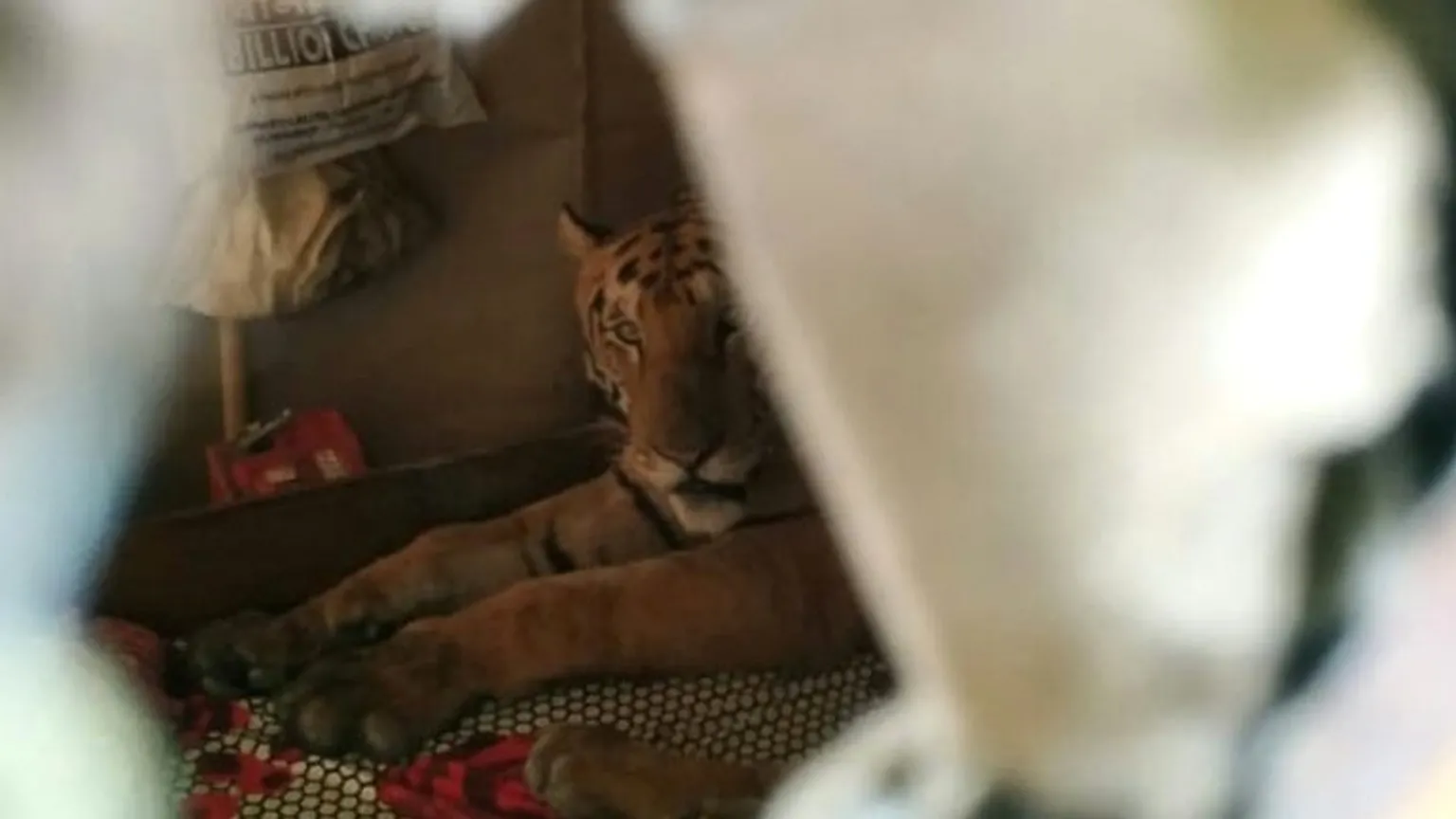
The tiger taking a breather in a home during its escape from the flooding in Kaziranga National Park (Pic: WTI)
Now you’re probably wondering why a Business Designer would care about this image of the floods right? Well in my past life (till May 2018) I headed up strategy for a conservation non profit based in the Eastern Himalayan landscape near Kaziranga. In doing so, I have seen the issues that led to this image very closely, oddly enough there is a strong parallel between the challenges that non profits working in this complex ecosystems face and those that today’s businesses around the world are facing, and that parallel is what we call “Wicked Problems”. A Wicked Problem is defined as a complex issue with numerous interdependencies that are impossible to untangle or isolate.
Now, coming back to how the tiger fits in. What you don’t see in this picture is how this tiger came to be here. As the grasslands of Kaziranga flooded the animals from the forest began to seek higher ground, which for generations has been the Karbi-Anglong hills. However, here’s the glitch in the plan — our government in all its wisdom has built a national highway that sits bang in the middle of the Kaziranga National Park and the Karbi-Anglong Hills. Then in order to encourage tourism to the region they have given out licenses for hotels and other businesses along the highway, which has also brought opportunistic encroachers along. The animals now have no option but to attempt to cross a barren highway while dodging vehicles to reach refuge and this tiger sought a night’s rest in a house next to a dhaba along the way.
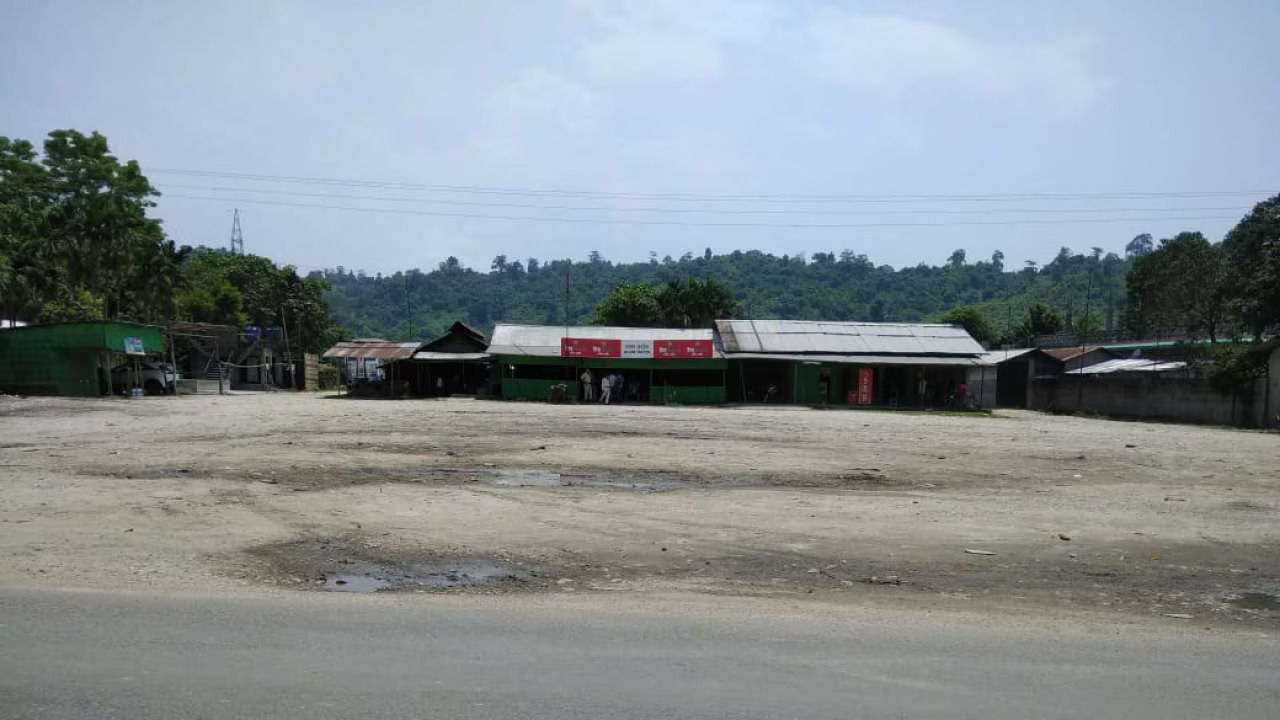
The highway the Tiger had to cross to escape the flooding in Kaziranga National Park (Pic: WTI)
While most are probably thinking “well, then let’s just stop the floods to begin with, why is that so hard?” Well the truth is that the floods are the only way for the grasslands of Kaziranga to rejuvenate itself, and these grasslands are essential for the survival of the famed one-horned rhino and other species in the area. So, what should we do? Can’t stop development, how will the region survive economically, can’t transplant the highway, it would be nearly impossible and cost too much, can’t stop the flooding, it will kill the ecosystem and the endangered species in it.
What does this have to do with businesses you might ask? With the pace of change accelerating businesses are finding themselves in similar situations all too often. As businesses are you thinking of building the highway? Or the hotels? Or stopping the floods? While many businesses do just enough to tread water very few are able to do enough to survive but not enough to thrive.
To thrive, businesses along with the social sector will need to adopt a more holistic view of the world, a systems thinking approach which focuses not on saving the individual parts but on saving the whole. Keeping their key stakeholder, the customer at the centre of all decision-making will be the key to coming up with richer solutions to these wicked problems. The same also applies to the situation in Assam, where the animals and the ecosystem should be the centre of focus because No Ecosystem = No Animals = Bye Bye Tourism.
Another key aspect of tackling these complex, interconnected issues is to use non-linear thinking and techniques to analyse the information because only then will we come up with solutions which leap-frog the norm instead of incremental change.
Seems easy enough, doesn’t it? Just like Apple said, “Think Different”. It isn’t just thinking differently that will get us there, it’s easy to say “we’re going to change” or “we’re adopting a design thinking approach” but difficult to execute it in a way that goes beyond a collection of buzzwords in the marketing copy. The change takes more than a couple of design thinking bootcamps, it takes finding the right partners to help, a constant willingness to iterate and adapt, the ability to look ahead and sift out the trends from the fads and most importantly a willingness to fail, dust yourself off and start again.
In short, approaching Wicked Problems will require businesses to be more resilient than strong. Strong businesses snap under pressure, resilient businesses are flexible enough to adapt. So, get comfortable being uncomfortable. We won’t always succeed but we’ll learn to embrace the ambiguity and constantly adapt to the shifting paradigm, or the next time you may find that tiger in your boardroom, given that the doubling of India’s tiger population and the rapid pace of change in industry, this seems like a real possibility.